
Clews & Curios · Historical Background
Disguises, by a CIA Expert
Theatrical greasepaint to silicone prosthetic — the craft evolves, the psychology of deception does not.
The stories published by Dark Lantern Tales come from the 1870s to the 1890s, and it is safe to say that all of them feature elaborate disguises and quick disguise changes. Clearly those techniques have only become more sophisticated — as shown by this revealing video with a former CIA disguise expert.
The art of disguise connects the world of 1890s detective fiction to the modern intelligence community in ways that might surprise readers. While the materials have changed — from theatrical greasepaint and false whiskers to sophisticated prosthetics and digital manipulation — the fundamental psychology of deception remains the same.
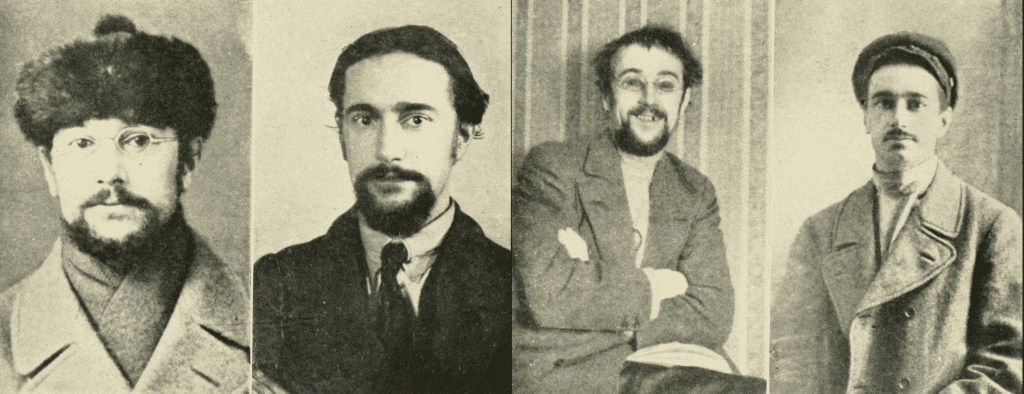
“Sir Dukes in Disguise” — an 1880s illustration of the gentleman-detective at his quick-change craft.
Every disguise, whether worn by Joe Phenix on the streets of old New York or by a CIA operative in a Cold War capital, relies on exploiting the assumptions of the observer.
Watch at kottke.org
The Former Chief of Disguise of the CIA Explains How Spies Use Disguises →
“All warfare is based on deception.”
— Sun Tzu, The Art of War